
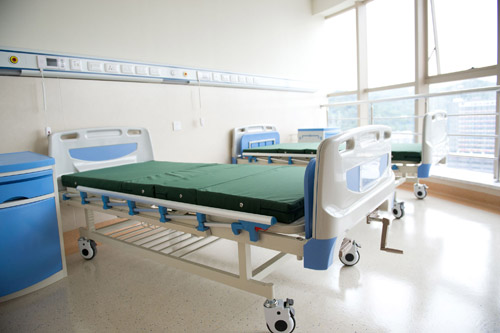
Environmental Features
For the hospital, a hygienic and clean environment is necessary, so, it is required to be more careful in the prevention and control of pests. Hospitals generally comprise multiple buildings, in which, the medical building often has more pest problems. Due to the special needs, there are much more wires, cables and air conditioning lines without plugging during the construction, extending in all directions around. The food and water sources in hospitals are relatively rich, easily breeding rodent, cockroaches, mosquitoes, flies and other pests.
Control Points
- Minimize the use of drugs that are irritating to the mucous membranes to prevent allergies or irritations. In addition, different wards must be treated differently, and they need to be considered comprehensively in terms of technical aspects and methods. Try to use physics and environmental governance methods rather than using chemical drugs
- Strengthen the prevention especially structural prevention of rodent and other pests, and also pay attention to eliminate the breeding factors
- Low-toxicity and low-taste drugs are used in public areas, while physical control is used in wards
Our Solutions
- Our technician shall visit prospecting and communicate with the person in charge
- Our technician shall make density investigation before the pest control services and to understand the pest species, invasion location and quantity
- Formulate pest control points and make point map (Client shall provide a floor plan)
- Formulate pest control plan. Make monthly adjustment to the pest conditions on site
- Use safe & efficient gel bait and cockroaches’ granules against cockroaches such as in hospital canteen. Plug seams and holes to reduce the risks of rodent invasion. Use sticky mouse traps in equipment rooms and warehouses for rodent control. Use wigglers baits in water-collecting well, landscape pool and stagnant water location regularly so as to control the breeding of mosquitoes. For winged insects, the sticky trap type fly lamps shall be installed at entrance and exit. The knapsack type sprayer and sanitary pesticide shall also be used in public areas for residual spray
- Provide pest control service report after service each time, evaluate the pest conditions on site and specify the contents requiring client’s assistance in order to improve the control effect
- Our technical supervisor or quality inspector shall re-visit our clients and inspect the service quality regularly
- Provide “Total Satisfaction Guarantee” service commitment. If you are not satisfied with the post-service effect, we will make follow-up for free till the effect improved (Inapplicable to single service client; LBS reserves the right of final decision)